Harper Baumann · 1 September 2026
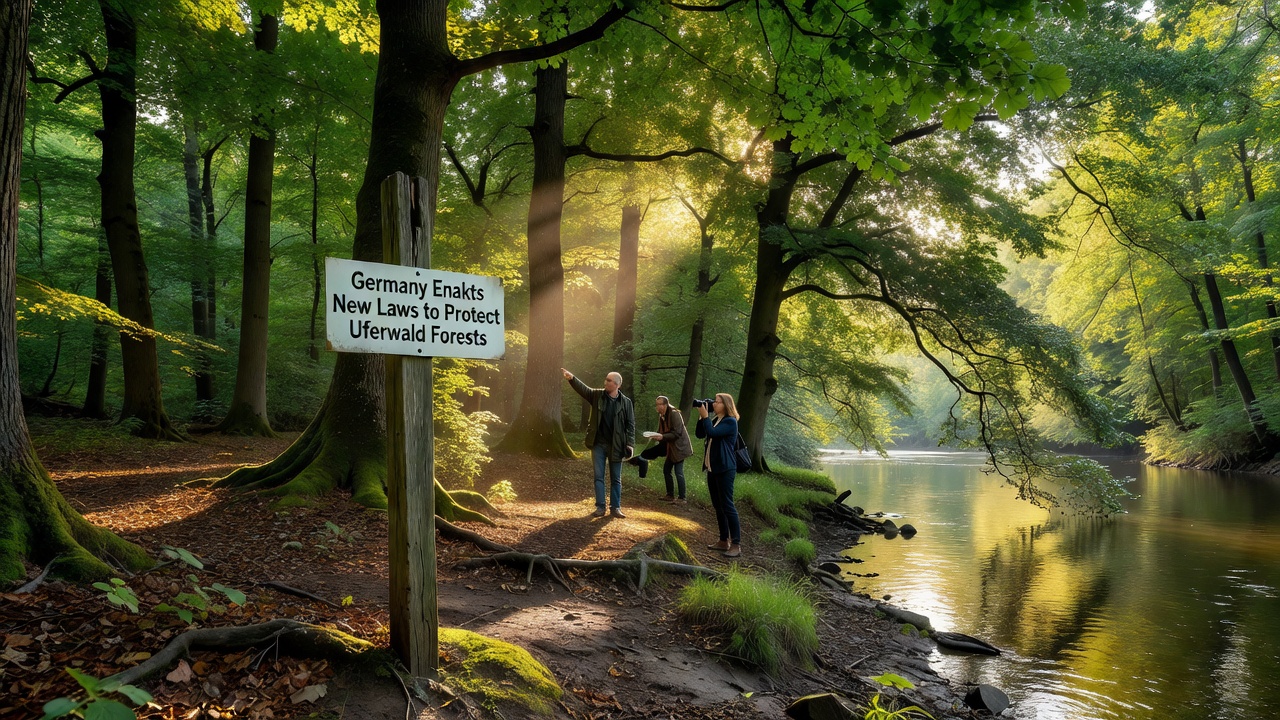
Government officials have introduced comprehensive protection laws targeting Uferwald shoreline forests to safeguard biodiversity and prevent habitat loss along riverbanks and coastal zones. The legislation, approved after months of parliamentary debate, imposes restrictions on construction, agriculture, and resource extraction within designated buffer areas. Environmental agencies will enforce compliance through regular monitoring and penalties for violations.
Key Provisions of the Legislation
The new framework expands protected zones by 25 percent compared to previous regulations. It mandates restoration projects for degraded forest sections and allocates funding for native species replanting. Logging permits now require environmental impact assessments, while recreational activities face limits during breeding seasons for local wildlife. Agricultural runoff controls include buffer strips to reduce pollution entering waterways. These measures aim to preserve the unique ecosystem where terrestrial and aquatic environments intersect, supporting species such as otters, migratory birds, and rare wetland plants. Officials project that full implementation will occur over the next five years with annual progress reports published publicly.
Local communities receive support through grants for sustainable tourism initiatives that align with conservation goals. Training programs for forest rangers emphasize enforcement techniques and ecological monitoring. The laws also establish a scientific advisory board to review data and recommend adjustments based on climate change effects observed in shoreline areas.
Expected Ecological and Economic Outcomes
Experts anticipate improved water quality and reduced erosion rates along protected shorelines within a decade. Biodiversity surveys will track population recoveries in key indicator species. Economically, the policies encourage green jobs in restoration and eco-tourism while limiting short-term development gains. Critics note potential conflicts with existing land-use rights, yet proponents highlight long-term benefits including flood mitigation and carbon sequestration. International observers view the laws as a model for similar shoreline ecosystems worldwide. Implementation begins immediately with initial site designations scheduled for the coming quarter.