Casey Lehmann · 1 September 2026
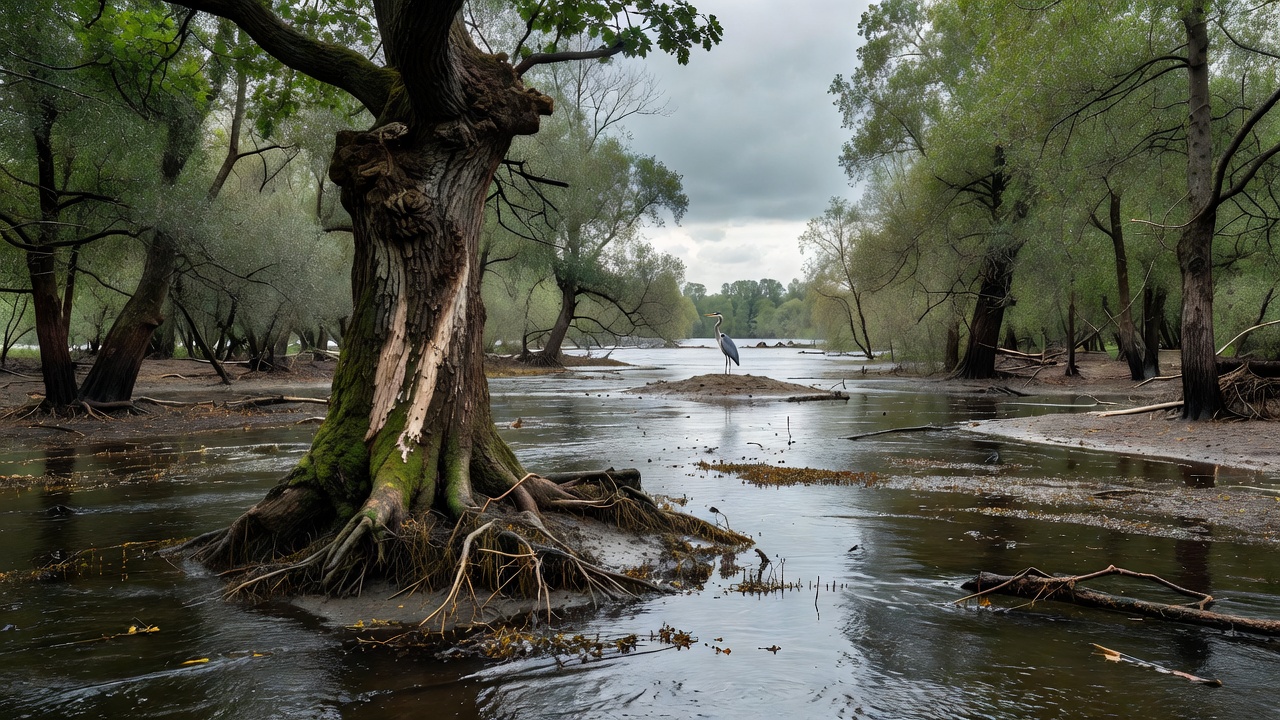
Recent monitoring data from coastal research stations show that accelerating sea level rise is placing severe pressure on Uferwald shoreline forests. These narrow strips of woodland and wetland along the Baltic and North Sea coasts support high levels of endemic species. Increased tidal flooding and saltwater intrusion are already altering soil chemistry and groundwater tables across large sections of the habitat.
Impacts on Flora and Fauna
Native tree species such as Ufer oak and coastal alder exhibit reduced growth rates once soil salinity exceeds 4 parts per thousand. Field surveys conducted in 2023 recorded a 28 percent drop in seedling survival compared with measurements from 2015. Understory plants including rare orchids and sedges are being replaced by salt-tolerant grasses and invasive cordgrass. This shift reduces structural diversity and removes critical nesting sites for ground-breeding birds. Insect populations that depend on specific host plants have declined correspondingly, with butterfly counts falling by 19 percent in affected plots. Mammals including the European otter and water vole lose foraging areas as former freshwater pools become brackish. Fish communities in tidal creeks show altered migration patterns, affecting avian predators that rely on them during breeding season.
Climate projections indicate that mean sea level along the German coast could rise an additional 35 centimeters by 2050 under moderate emissions scenarios. Without adaptation, models forecast the loss of 35 to 45 percent of current forest extent in low-lying Uferwald sites.
Conservation Measures and Outlook
Regional authorities have begun establishing setback zones and artificial beach ridges to buffer remaining forest patches. Restoration teams are planting salt-tolerant native species on slightly elevated terrain and installing culverts to improve drainage during storm surges. Long-term biodiversity monitoring grids now cover 12 priority sites, providing quarterly data on vegetation cover, salinity, and species presence. International cooperation through the Baltic Sea Region program supplies funding for these efforts and facilitates data exchange with neighboring countries facing similar threats. Scientists stress that local measures alone cannot offset global sea level trends and call for accelerated greenhouse gas reductions to preserve the unique ecological character of Uferwald forests.